Living Between Worlds: Ayari’s Bipolar Journey as a Mexican-American Woman

Happy Minority Mental Health Awareness Month to all of my Ebony Emotions readers!
I hope you’re taking extra care of your mental health this month. Minority Mental Health Awareness Month was officially recognized by Congress on June 2, 2008, as Bebe Moore Campbell National Minority Mental Health Awareness Month to bring attention to the unique mental health challenges faced by marginalized communities in the U.S.
Bebe Moore Campbell was an author, journalist, teacher, and mental health advocate who worked to amplify the voices of underserved communities. She was also the mother of actress Maia Campbell, best known for her role on In the House in the late 1990s. Maia reportedly battled both bipolar disorder and substance addiction—her struggles were often exposed online during episodes and periods of drug use. She shared parts of her journey on Iyanla: Fix My Life on the Oprah Winfrey Network.
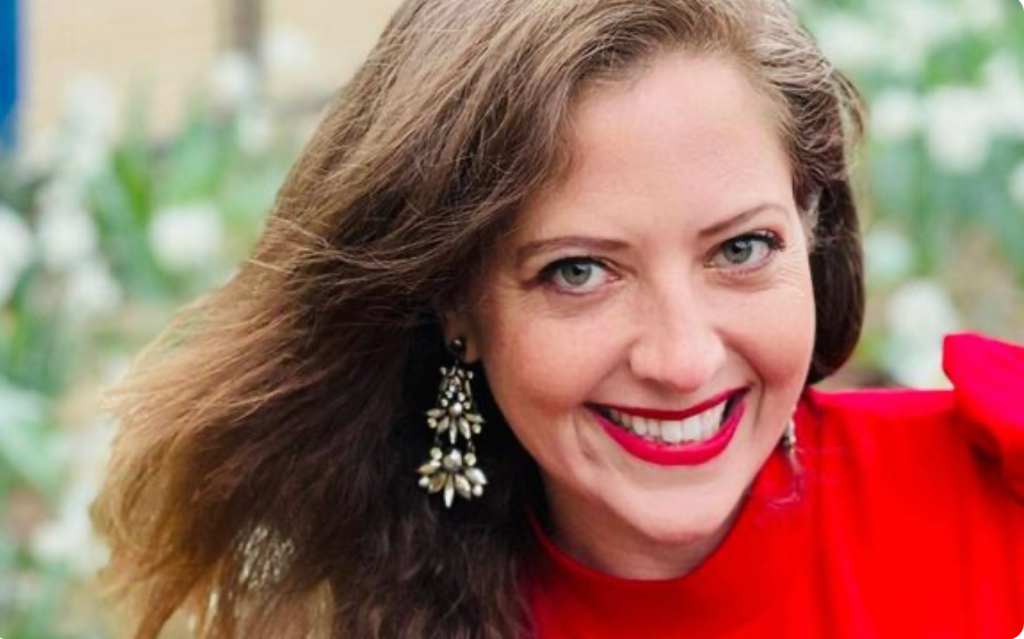
Photo Credit: Ayari Chávez-Geller
Knowing how deeply Black and Brown people struggle in society—and how much more complicated it becomes when living with a mental health condition—makes it even more important to share stories that reflect both pain and power. Today, we’re highlighting Ayari Chávez-Geller, a NAMI-NYCIn Our Own Voice” presenter who lives with bipolar I disorder. I met Chávez-Geller during our IOOV training in New York, and she generously agreed to share her story. I’m grateful to her—and to all who continue to show resilience, one of Ebony Emotions’ core values. Let’s take a look at what she has to say about navigating bipolar disorder through the lens of her Mexican-American identity.
1) Can you briefly introduce yourself and share a little about where you’re from and your background?
Ayari: I’m 45 years old. I was born in Oaxaca, Mexico, but have been living in the U.S. since I was 14.
2) When were you first diagnosed with bipolar disorder, and what was your initial experience like within your family and community?
Ayari: I was diagnosed at the age of 30 (six days after turning 30), and I got immense support from family members and friends.
3) How has your Mexican-American heritage shaped the way you view mental health and bipolar disorder — whether positively, negatively, or both?
Ayari: I’m just grateful that I was diagnosed as an American because in Mexico there’s more stigma and very little help. I was lucky that I was in the U.S. when I was diagnosed and got help from doctors and the community here.
4) Were there cultural expectations (like being strong, keeping struggles private, faith, family loyalty) that made it harder or easier to seek help?
Ayari: Yes, as a Mexican I would’ve been told to keep things private and be strong, but as an American I could be vulnerable and open.
5) What has been your biggest challenge navigating bipolar disorder while also managing cultural pride, traditions, or expectations?
Ayari: My biggest challenge has actually been getting sick so many times, even under medication and care. I’ve been hospitalized seven times and sick about five times when my medication had to change. The actual illness is the toughest part of my diagnosis. I’ve managed to heal on my own and keep “sane” within society in Mexico, because most people don’t know I’m diagnosed.
6) How has working in the legal field and being involved with volunteer organizations impacted your mental health journey — both the challenges and the sources of strength?
Ayari: I think having a regular job, and particularly one that involves mental challenge, is good to keep me feeling that I’m part of the mainstream. It helps me feel as “normal” as possible.
7) What do you wish more people understood about the experience of being Mexican-American and living with bipolar disorder?
Ayari: Being a Mexican woman is tough to begin with — there’s so much “machismo”(pride)  in Mexico. Then adding to that a mental illness, which is the worst you can be for a Mexican, is really hard.  
8) What strengths or values from your cultural background have helped you survive or thrive despite the struggles?
Ayari: In my culture, we live very much in the present moment. And that has helped me snap out of many hospitalizations. I’ve stayed present and managed to keep the past behind.
9) If you could give advice to another Mexican-American (or BIPOC – Black, Indigenous, and People of Color) recently diagnosed with bipolar disorder, what would you say to them?
Ayari: Life gets better as you get used to and learn to understand your diagnosis. It’s not the worst of scenarios—just take your meds, see a therapist, and you can be as normal as you want.
10) Is there a message you would like to share with the world about being both proud of your heritage and honest about your mental health journey?
Ayari: I wish I didn’t have bipolar, but it is what it is. Thanks to my illness, I’ve learned to relax more and see my health as a priority. I will forever be proud to be Mexican because my heritage is rich with color and joy, and that helps me live a more passionate life. Even though honestly, I’m happy that I get to live in NYC where my diagnosis isn’t that much of a stigma… I hope Mexico evolves in that sense one day.

Final Thoughts

Chávez-Geller’s story sheds light on the complex intersection of culture, racial identity, and mental health struggles. While living between two worlds—Mexican and American—Chávez-Geller has had to navigate stigma, silence, and strength. Her trials and triumphs speak to what it means to seek treatment and adapt in spaces that often misunderstand mental illness.

Reference: 

Mental Health America. (n.d). BIPOC Mental Health Month | Mental Health America. Mental Health America. https://mhanational.org/bipoc-mental-health/bipoc-mental-health-month/#:~:text=On%20June%202%2C%202008%2C%20Congress,mental%20illness%20in%20the%20US.


Disclaimer: This article is based on research and insights from credible medical professionals, publications, and....

Welcome back, Ebony Emotions readers. If you’ve already read Therapy While Black: The Cost, the....

Disclaimer: This article is researched with information from credible medical professionals, publications, or institutions. It....